The Ideas in Science lunch seminar series aims to bring together graduate students in physics to bridge the gaps of knowledge between our different subfields. The talks are based on the general methods used in your work instead of a specific research application.
The ‘idea’ is to bring you and your fellow peers from all fields of physics together to share your insights and expertise on the tools, methods and ideas you use in science. The talks are intended to be in a casual setting:
fun, short and accessible to someone from an orthogonal subfield.
We meet for lunch (BYOF) together and proceed to the talk after. We look forward to seeing you join us, either as an audience member or as one of the speakers below:
Past talks
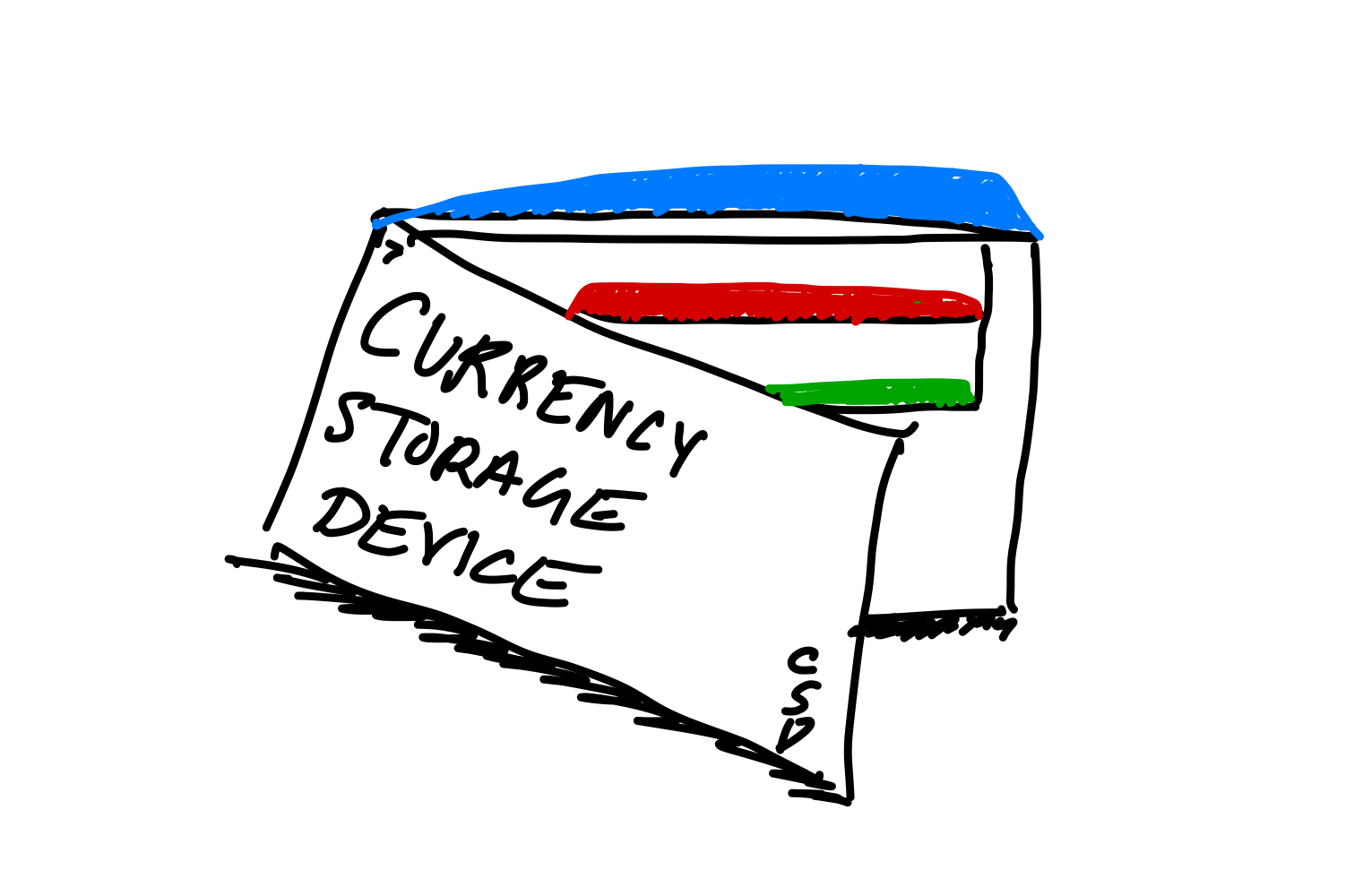
What's In My Wallet? ft. Maximum Entropy Principle
As a graduate student, we're not necessarily known for our heavy wallets. Despite that, have you ever wondered how much cash, say I, carry in my wallet? Join me in another silly mathematical game of guessing stuff that leads to a deep principle underlying physics, machine learning and probability theory.
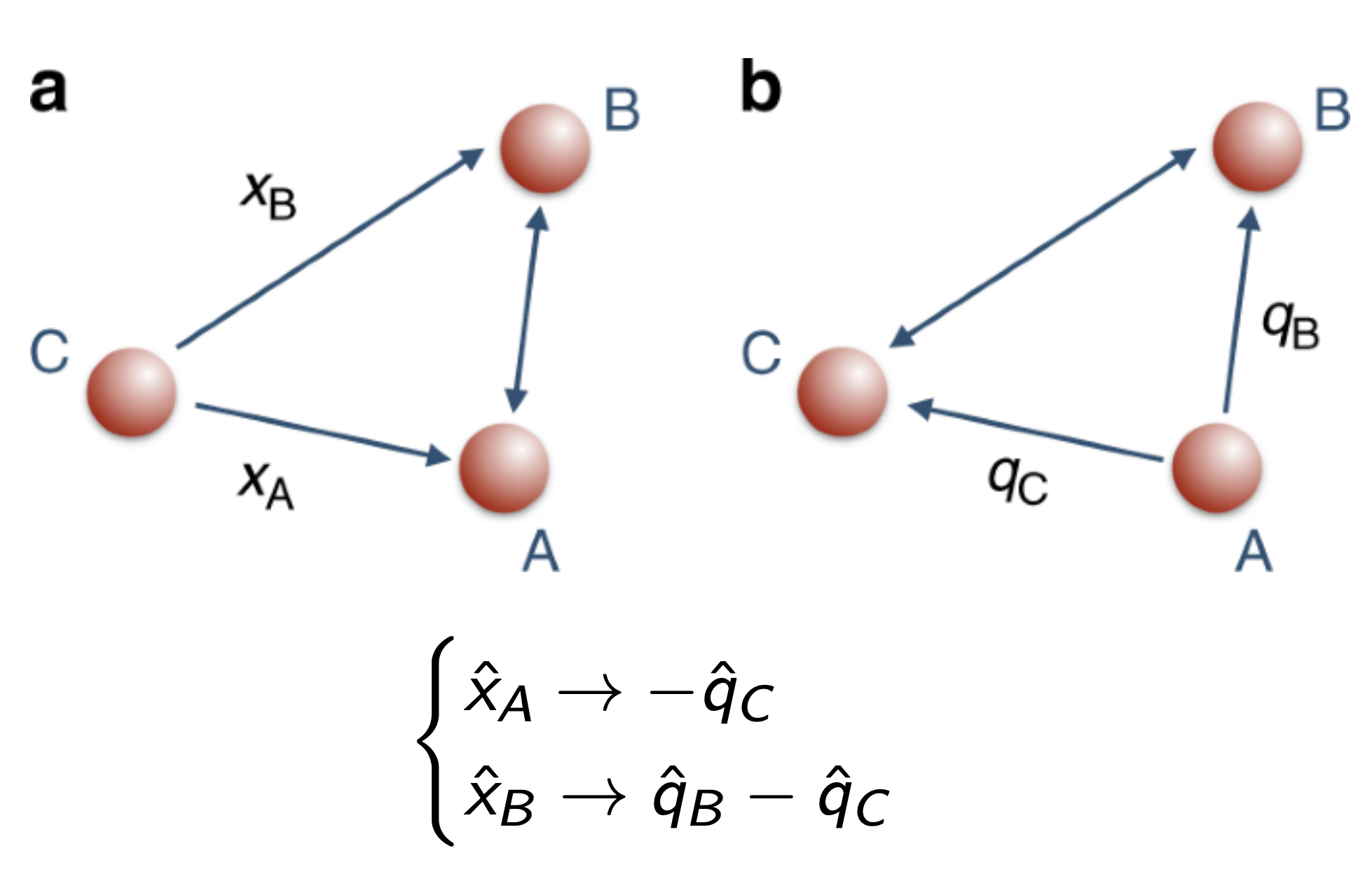
Quantum Reference Frames: Physics through Relations
In quantum physics, the description of a system is usually given with respect to an external reference frame and an external notion of time. Quantum reference frames and relational dynamics offer a different perspective, in which physical quantities are defined through relations between quantum systems themselves. In this introductory talk, I will present the basic ideas behind this framework, explain how a quantum system can act as a reference frame or a clock, and discuss why this relational viewpoint may be useful in quantum gravity, where no preferred external frame or time is available.
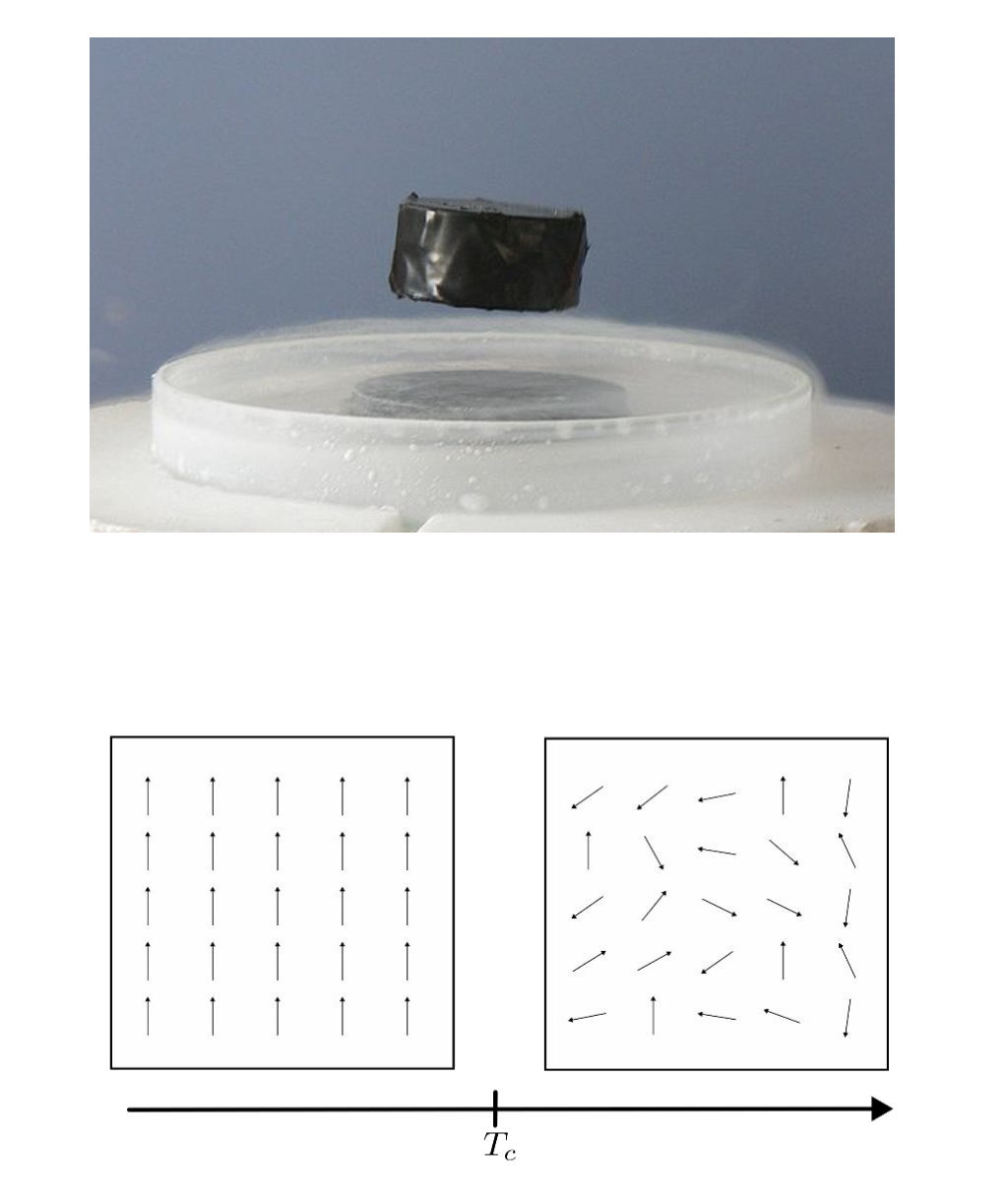
Phase transitions are relatively common occurrences in real life. But is there a way to categorize or describe them rigorously? This talk will introduce some machinery to describe them, and will explore some universal properties based on such a categorization.
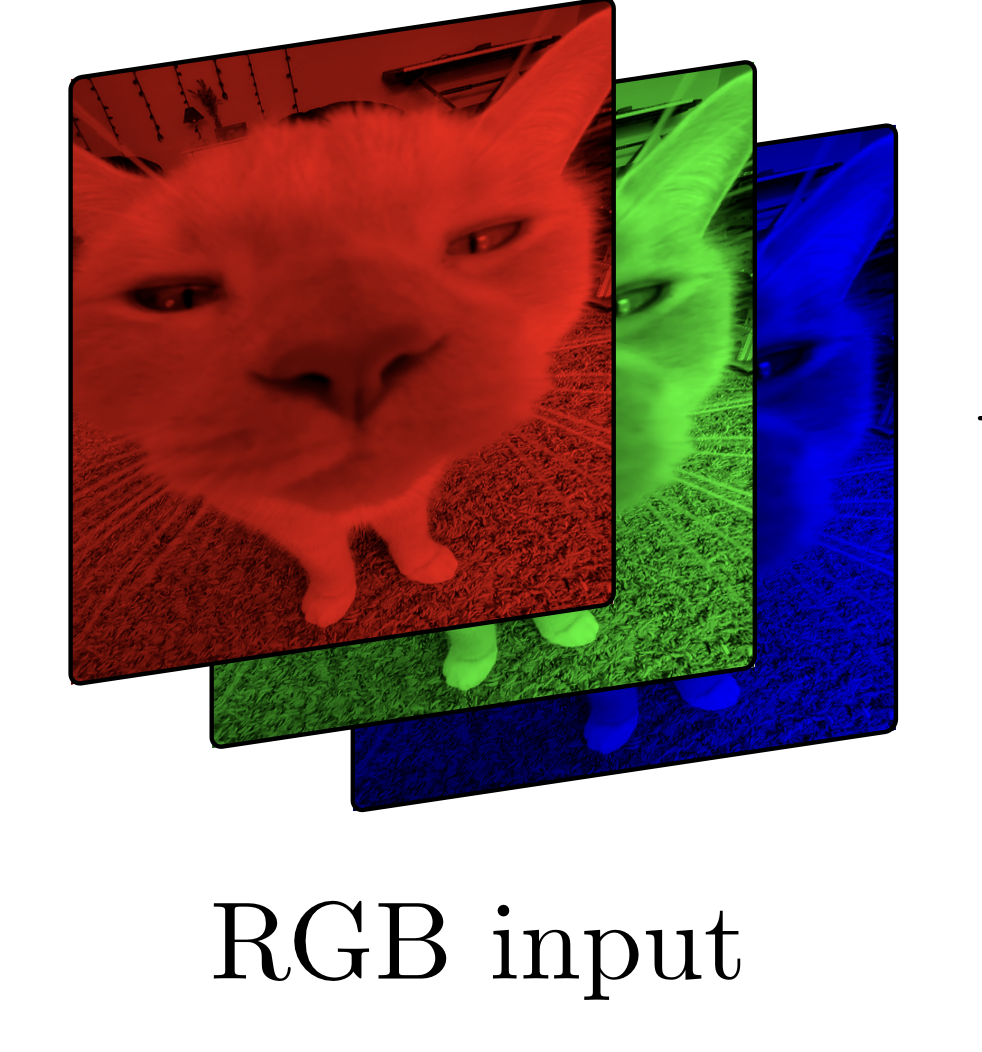
A brief introduction to tensors, their operations, computations, and applications. We will explore multiple examples of tensor networks from quantum mechanics and machine learning, with a focus on the big-picture details and relations to other topics in science.
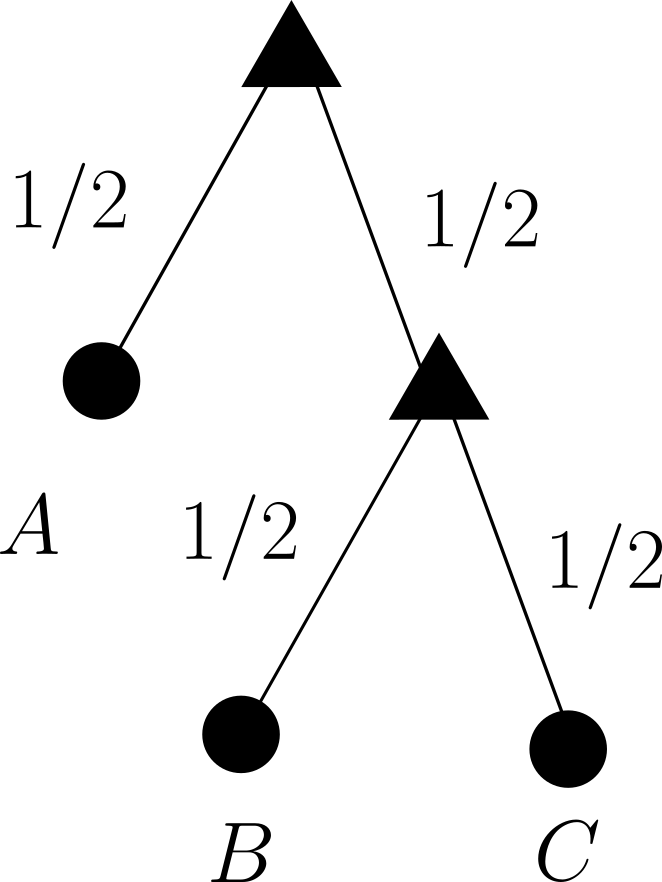
What does entropy mean to you? Is it randomness? Noise? Perhaps an image of a messy room? In this talk, we build up the notion of entropy through a game of guesses. Together, we'll see what entropy looks like through the lens of information theory.