| Appendix Four: Survey Results |
|---|
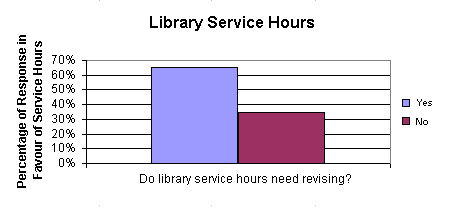
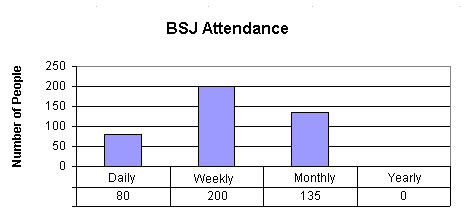
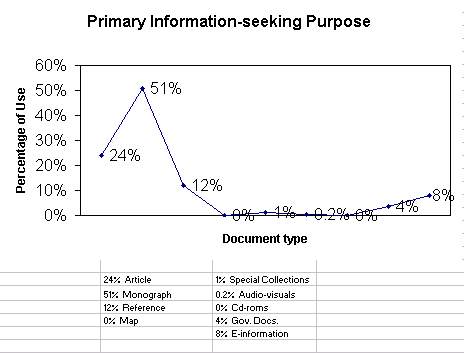
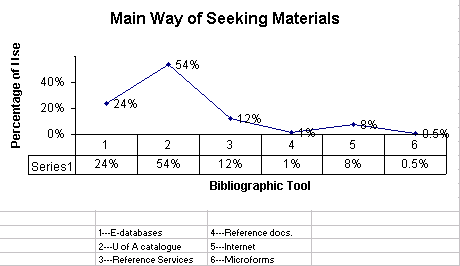
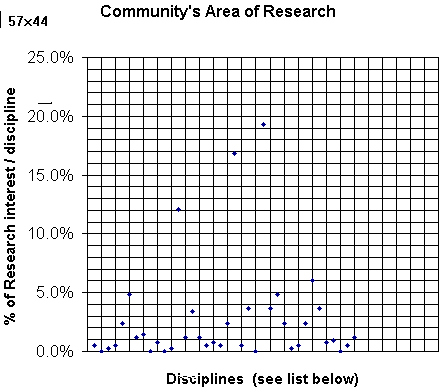
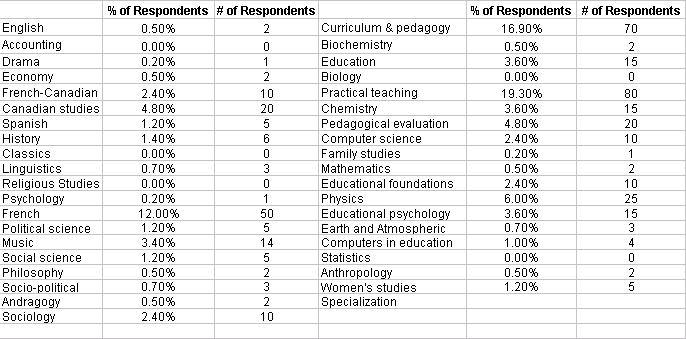
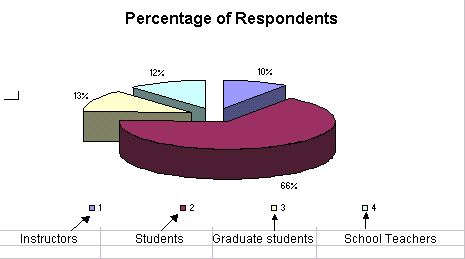
The survey results are based on a sixty percent response rate. There were forty FSJ instructors, 274 undergraduate students, 53 graduate students, and 48 teachers, for a total of 415 people, who responded to the online survey. The survey consisted in six response fields or areas: library hours, BSJ attendance, primary information-seeking purpose, main way of seeking materials, principle area of research, and collection improvement suggestions. The majority of respondents, 65 percent, agreed with the library hours as they appeared on the survey. The rest recommended that reference services be offered on each week day evening or on part of Sunday afternoons or both. Nineteen percent of respondents, mostly instructors or graduate students and some undergraduate students, said they frequented the library on a daily basis, whereas 48 percent came to the library less than seven times a week. Most undergraduate students fell in the latter category along with some school teachers. Teachers, generally, came to the library at least once a month. In seeking information, 76 percent of respondents sought periodical articles or monographs, 24 and 51 percent respectively. People consulted reference resources 12 percent of the time, electronic documents 8 percent, government documents 4 percent, special collections one percent, and audio-visual materials less than one percent of the time. The four principal ways, in order of importance, by which library patrons accessed information was through the university's online catalogue, electronic databases to which the university subscribes, library reference services, and the Internet. Patrons' main areas of research were equally distributed over many choices; however, three subjects stood out: Education-related, Canadian studies, and French language. Fifty-one percent of respondents chose a pedagogical field as their main area of research. Patrons identified computers in education, general curriculum material, and mathematics as collection areas that needed improvement especially in terms of currency.