Experimental Facilities
My research program integrates large-scale experimental testing, advanced computational modelling, analytical methods, and data-driven approaches to improve the resilience, performance, and sustainability of buildings and infrastructure.
A major component of this research is conducted at the I.F. Morrison Structures Laboratory at the University of Alberta — one of Canada’s leading facilities for large-scale structural testing. The laboratory’s strong floor, L-shaped reaction-wall system, and configurable hydraulic actuators allow our team to develop customized test setups and apply large, multidirectional static and cyclic loads to full-scale structural components, connections, and assemblies. The facility also houses a high-capacity MTS universal testing machine capable of applying approximately 6,200 kN in compression and 4,000 kN in tension.
These capabilities enable us to reproduce demanding structural actions such as earthquake-induced cyclic loading, column-removal scenarios, large connection forces and deformations, and complex loading conditions experienced by pipeline systems. Several hundred channels of data acquisition, high-speed cameras, and three-dimensional digital image correlation provide detailed measurements of forces, deformations, strains, damage development, and failure mechanisms throughout each test.
Explore the I. F. Morrison Structures Lab through this link.
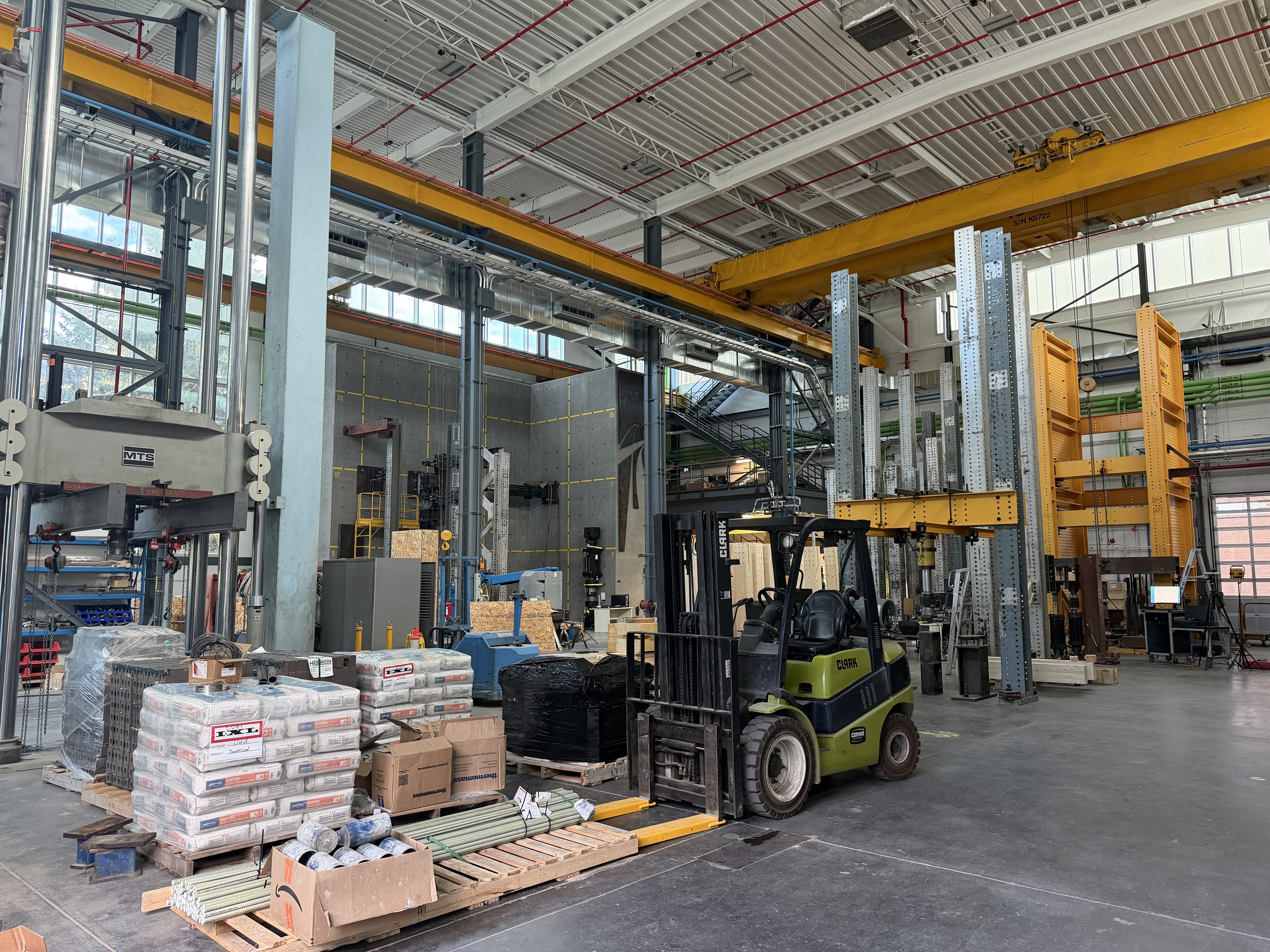
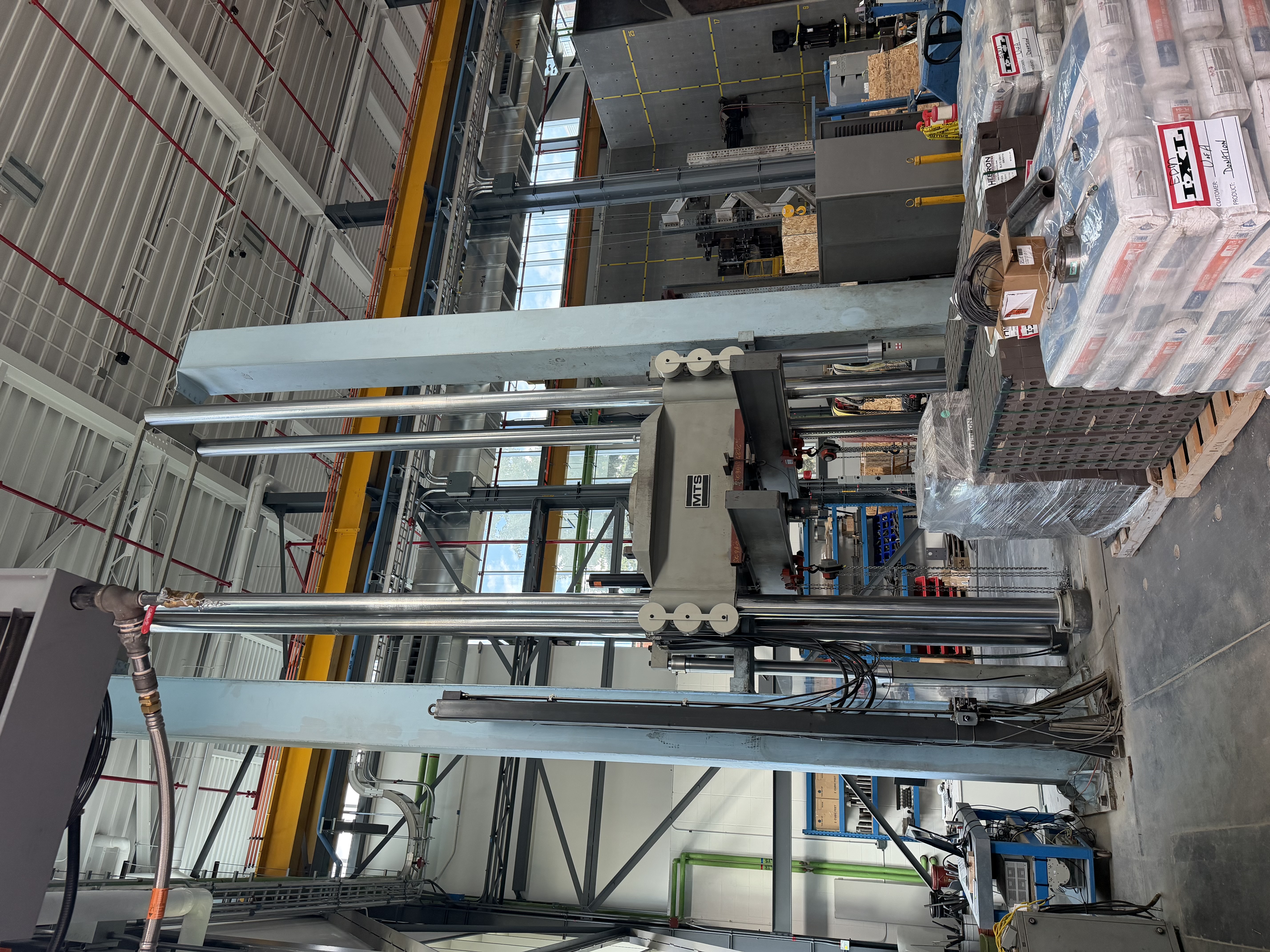
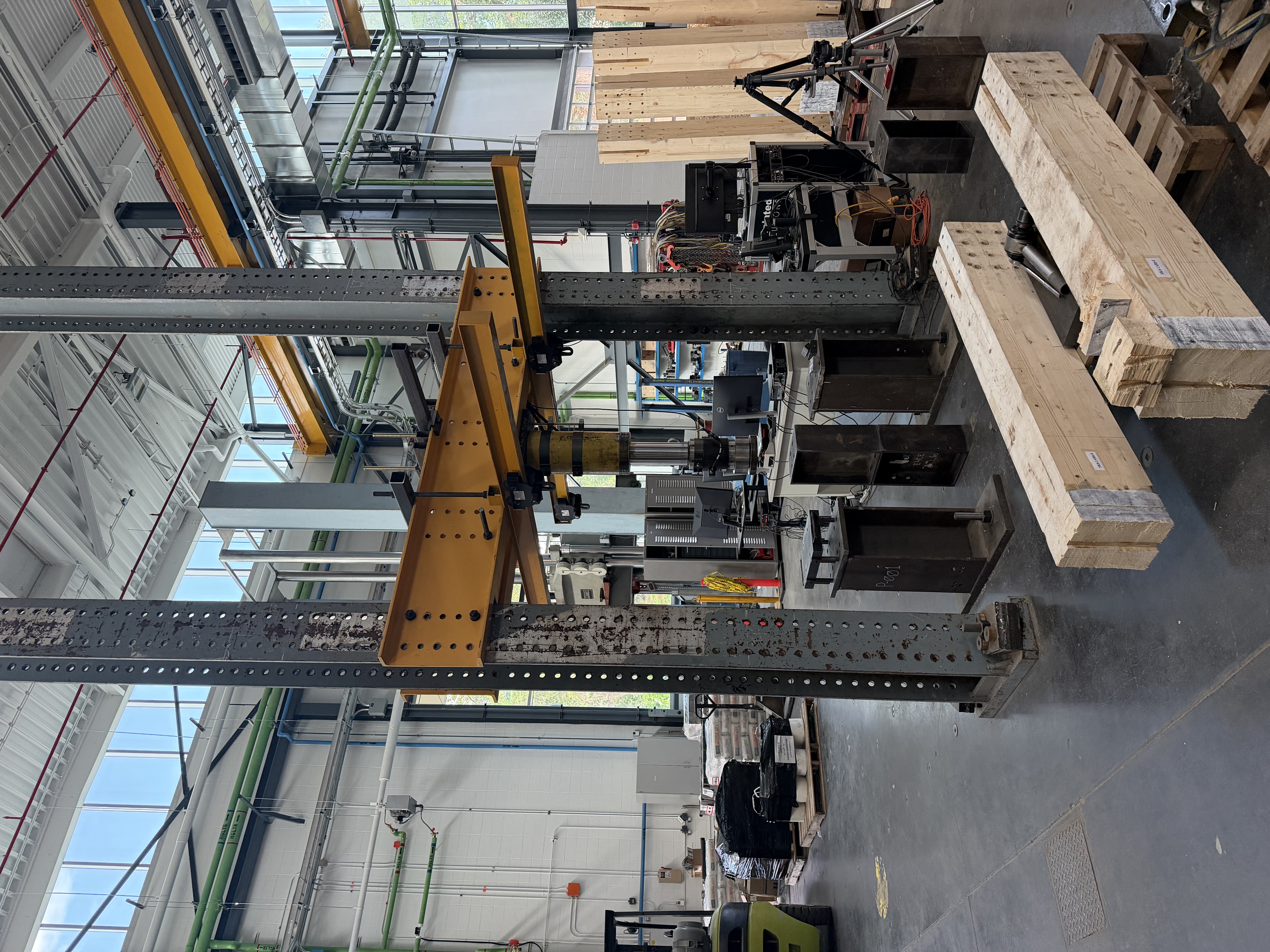
Some pictures from the I. F. Morrison lab