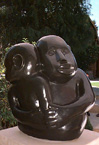
The Therapeutic Use of Sculpture
This web page was designed for an Occupational Therapy 209 class, focusing on the therapeutic use of activity. We have chosen sculpting as our therapeutic medium to apply to 3 clients with various impairments.
Sculpting utilizes the physical and psychological environment as well as the muscles and senses of our bodies. It has many general therapeutic benefits including:
Sculpting creates 3-dimensional works of art, done by either the taking away, adding or changing of the form of the material. The sculptor can use a variety of media (for example clay, wire, wax, and found objects) to create objects of various sizes. There are a few general physical environmental requirements for sculpting:
Sculpting may not be therapeutic for some clients. For example, people with cognitive impairments must be able to understand the basic principles of sculpting. Safety concerns such as the client harming themselves with tools or consuming the medium must also be taken in to account with cognitive impairments. This activity may not be useful for people with physical dysfunctions such as muscle tremors because it may result in frustration from attempts in creating detail.
Case Studies
Jane is a 43-year-old, married woman, who was involved in a motor vehicle accident.
Betty is a 32-year-old woman who suffers from depression among other things.
Click here to see the different media for sculpting.
This web site was created by Lincoln Behm, Sandy Ayre, Angie Lorentz, and Kristina Pilgrim.