Dr. Karsten A. Loepelmann

Wellness & Learning Resources


University of Alberta Wellness Resources


Wellness Supports
 — helps U of A students to get appropriate mental health supports by connecting students to timely and effective resources (Start here!)


Counselling + Clinical Services
 — this unit can help you identify and manage test anxiety, plus help you with depression, procrastination, stress, and more (formerly Mental Health Centre)


University Health Centre
 — physicians provide comprehensive medical care, including assessment and treatment of mental health concerns


Peer Support Centre
 — this Students’ Union service provides information, referrals, crisis intervention, and a confidential place to come and talk


UAlberta Cares
 — this video series highlights mental health strategies and explores various challenges and specific resources available to students


First Peoples’ House
 — provides support to all First Nations, Métis, and Inuit students in a variety of ways related to university life


International Student + Visitor Services
 — supports international students as they navigate the challenges of adjusting to life in Canada


The Landing
 — this student space for gender and sexual diversity offers peer mentorship, resources, and referrals for students working through issues around gender and sexual identity-related stressors


Sexual Assault Centre
 — offers free and confidential counselling and support for individuals affected by sexual assault, sexual harassment, relationship violence, or stalking

University of Alberta logo


University of Alberta Learning Resources


Academic Success Centre
 — this service offers strategies, workshops, and individual appointments to help students achieve academic success


Writing Services
 — for help with any type of assignment or project at any stage of the writing process


Tutor Registry
 — a Students’ Union resource that can connect you with a tutor for PSYCH (and other) courses


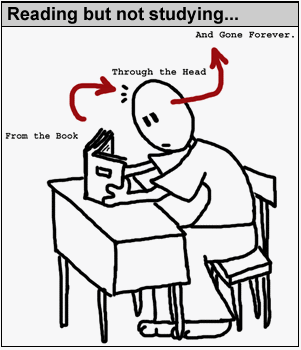
How to Read a Textbook


My blog posts explaining the components of the SQ4R study method:
  • Survey (briefly look over the chapter to see what it’s about)
  • Question (ask yourself what you think the main points are)
  • Read (read in a quiet location free of distractions)
  • Recite (answer the questions you posed previously)
  • Relate (make links between the new material you are learning and things you already know)
  • Review (go back over the material after some time has passed)


How to Read a Textbook Effectively and Efficiently
 — from Med School Insiders: mental priming, active reading, and reflection


Reading Textbooks Effectively
 — gives strategies for before, while, and after reading sections of a textbook


How to Read Your Textbooks More Efficiently
 — College Info Geek video (!) on how to read a college textbook


Learning from Textbooks
 — gives specific strategies, and also explains why highlighting is not effective


How to read a textbook Reddit thread
 — lots of good (but anecdotal) advice

student studying


Study Skills & Learning Strategies


The Learning Scientists (★ ★ ★ ★ ★ Highly recommended!)
 — evidence-based learning resources and a blog about strategies for effective learning
(TL;DR YouTube video: How to Study Effectively for School or College [Top 6 Science-Based Study Skills])


Study Skills Hub (★ ★ ★ ★ ★ Highly recommended!)
 — covers time management, studying & test-taking, stress management, reading & note-taking, presentation skills, resilience, sleep, group work, and studing in groups


The Study Cycle (★ ★ ★ ★ ★ Highly recommended!)
 — describes the basic framework for all the components of studying and how they work together


How to Study
 — evidence-based video series by Prof. Stephen L. Chew includes What Students Should Understand About How People Learn, Cognitive Principles for Optimizing Learning, and I Blew the Exam, Now What?


Cornell Note Taking
 — explains “the best way to take notes”


Reading & Note-Taking
 — helpful strategies, from YorkU’s Learning Skills Services


Retrieval Practice
 — more recommendations on how to best use practice to improve learning


Why Cramming Gets a "C"
 — Scientific American article describes studies that show spacing out learning over time works best


Procrastination and Science
 — how to avoid procrastination, from a University of Calgary prof (try a test of procrastination)


Metacognitive Study Strategies
 — metacognition (thinking about how you think and learn) improves learning and memory


Metacognition: Understanding How You Learn
 — has tips, examples, & infographic on metacognition


Ten Traps of Studying
 — and their solutions (does #10 sound familiar?)


Managing Time in University
 — this how-to guide helps you manage the time you have, from YorkU’s Learning Skills Services


Memory Improvement Techniques
 — MindTools’ site has several articles and techniques to train and enhance your memory


Your fear of office hours is about to end
 — a guide to meeting with professors


AI Tutor Pro
 — free AI chatbot that will help you check or grow your knowledge on any topic; great for reviewing before an exam!

studying cartoon


Multiple Choice Exam Tips


Suggestions For Coping With Multiple Choice Questions
 — tips especially for introductory psychology, from SFU’s Student Learning Commons (read why it’s probably bad to change your answer)


Writing Multiple Choice Exams
 — helpful guide to understanding and taking multiple choice exams, from TrentU.ca


Test-Taking Advice: Especially for the Multiple-Choice Challenged
 — detailed help for before, during, and after writing your exams, based on psychological research, from the U of Calgary


Preparing for Tests and Exams, Writing Multiple Choice Tests and Learning From Multiple-Choice Exams
 — includes pages on dos and don’ts, and how to improve your future performance, from Western’s Learning Development & Success


Succeed at Exams: Multiple Choice Exams
 — tips and strategies from the U of Guelph’s Learning Commons


Preparing for Tests and Exams
 — more tips and strategies, from YorkU’s Learning Skills Services

multiple choice form image


Essay Exam Tips


How to write in-class essays and short answer exams
 — tips on preparing for and writing written exams, from Writing Services


Strategies for Essay Exams
 — how to prepare for and write an essay exam, from SFU’s Student Learning Commons


Exam preparation: Strategies for essay exams
 — tips for exam preparation and exam writing, from SFU Student Learning Commons


Writing Better University Exam Essays
 — a Wikibook on improving your essay exam writing


Succeed at Exams: Preparing for Essay Exams and Writing Essay Exams
 — tips and strategies from the U of Guelph’s Learning Commons

essay writing image


Term Paper/Literature Review Tips


Literature Reviews
 — explains what literature reviews are and offers insights into their form and construction; from The Writing Center at UNC-Chapel Hill


Foundational Tutorials
 — the U of A Library decribes beginning, understanding, finding, evaluating, and citing research studies for a term paper


Writing a Literature Review in Psychology
 — the U of Washington Psychology Writing Cente walks you through the steps of writing a psychology lit review


Writing a Psychology Literature Review
 — thorough help from the UConn Writing Center


Learn how to write a review of literature
 — describes four basic steps


The Literature Review: A Few Tips On Conducting It
 — some advice from the U of Toronto Writing Advice


literature review image