Fall 2010, Thursdays, 1830-2120
Business 1-10
Instructor: David S. Miall
HC 4.27. david.miall (at) ualberta.ca
Office hours Thursdays 3:30-4:30
We will study eight novels produced over the course of the 19th Century, ranging from Zofloya by Charlotte Dacre (1806) to The Turn of the Screw by Henry James (1898). In addition to analysing the development of the architecture of the novel during this period and its narrative and stylistic features, we will consider the tensions between alternative genealogies of the novel. For instance, the Gothic element of the novel (as represented by Zofloya) is developed in such later novels as Wuthering Heights and The Turn of the Screw, and is transformed in the sensation novel of the 1860s in which terror is domesticated (for example, The Woman in White). Opposed to this is the novel of realism depicting the individual in society, represented by novels from Austen, through Dickens, to Hardy. In addition to the novels, we will read a selection of the first reviews of some of the novels to gain an impression of how these texts were received when first published.
The novels to be studied are listed below. The editions I have chosen are mostly Broadview: these provide a valuable set of additional materials that help situate each novel in its literary and historical setting..
Texts:
Dacre, Zofloya, 1806. (Broadview)
Austen, Northanger Abbey, 1818 (Oxford)
Hogg, Confessions of a Justified Sinner, 1824 (Broadview)
Bronte, Wuthering Heights, 1847 (Broadview)
Collins, Woman in White, 1860 (Broadview)
Dickens, Great Expectations, 1861 (Broadview)
Hardy, Tess of the d'Urbervilles, 1891 (Broadview)
James, The Turn of the Screw, 1898 (Broadview)Schedule
Date Reading Notes Sept 9 Introductions: theoretical issues; culture Sept 16 Austen, Northanger Abbey Sept 23 Dacre, Zofloya Dacre: summary and notes
Dacre resources; KristevaSept 30 Hogg, Confessions of a Justified Sinner Realism/Gothic Oct 7 Bronte, Wuthering Heights Essay 1 due Oct 14 Bronte, Wuthering Heights Oct 21 Collins, Woman in White Oct 28 Dickens, Great Expectations Nov 4 Dickens, Great Expectations Outline Nov 11 Remembrance Day, no class Nov 18 Hardy, Tess of the d'Urbervilles Essay 2 due; Outline Nov 25 James, The Turn of the Screw Dec 2 Exam (2 hours) Assignments
Essay 1. Due October 7 (1500 words). 33%
Essay 2. Due November 18 (2500 words) 67%
Exam. December 2 (2 hours).Essay I, topics.
1. Is Austen's Northanger Abbey primarily a satire on the Gothic, a type of Gothic itself, or both, or neither? Among the evidence you drawn upon in your discussion, consider the features of the Gothic genre that gave it cultural prominence in 1798-99 when Austen was drafting her novel.
2. After reading Zofloya, do you agree with Adriana Craciun's claim that the novel shows gender identity to be "not fixed or natural" (p. 18)? Draw upon the novel itself for evidence.
3. How, if at all, does Hogg supply ethical judgements on the events that unfold in Confessions of a Justified Sinner. What narrative devices can you point to in support of your argument.
4. Here are themes that George Levine (in How to Read the Victorian Novel) says will be important to the Victorian novel (from 1837 onwards):
non-romantic emphasis on ordinariness, the quotidian,
preoccupation with childhood, innocence,
repression of sexuality, especially that of women,
ambition, often misguided;
the domestic drama,
struggle over class position,
importance of money,
sentimentality,
representation of women (angel/whore),
the Bildungsroman, especially if an orphan,
emphasis on character,
attempt to see society as a whole, organic.To what extent do you see any of these themes foreshadowed in the first three pre-Victorian novels we have been reading (Austen, Dacre, Hogg). What, in the history and culture of the period, makes the themes salient or implicit?
NB. Please keep the essay within the limit of 1500 words, not including bibliography.
Essay II, topics-- choose one. Essays should be 2500 words, not including bibliography.
For these topics, the novels available for discussion are Wuthering Heights, The Woman in White, or Great Expectations.
1. Discuss the degree to which you believe gender relations are realistically presented in one or more of the novels.
2. Discuss the ways in which contemporary social and financial developments are reflected in one of the novels.
3. Examine the place and role of legal issues in one or more of the novels.
4. Consider to what extent one or more of the novels offers a critique of masculinist principles and forms of behaviour.
5. Offer a critical account of some of the narrative and aesthetic structures you have noticed in one or more of the novels.
6. How persistant and/or mutable is the Gothic topos in your view. Discuss in relation to one or more of the novels.
Web resources
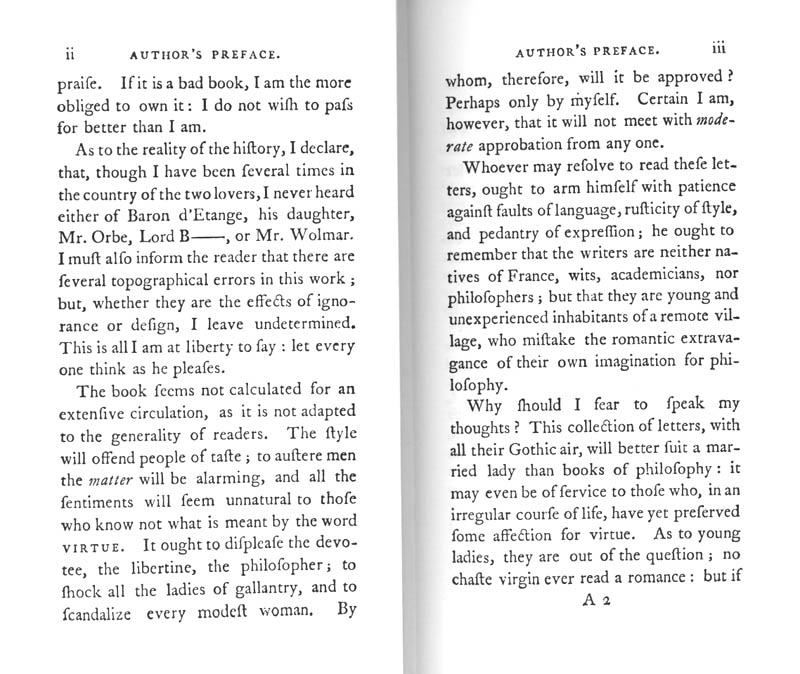
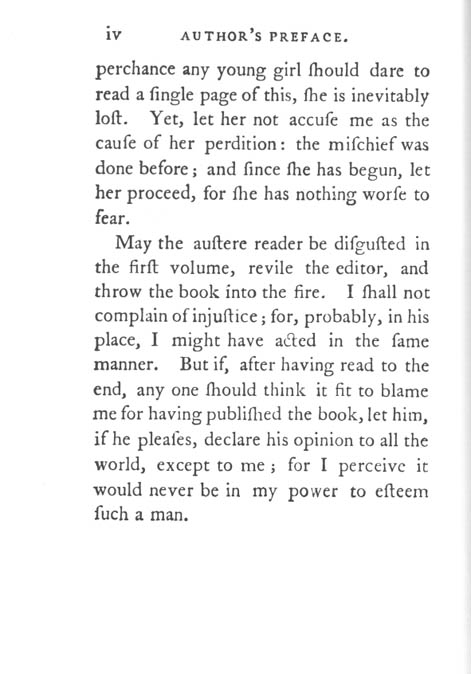
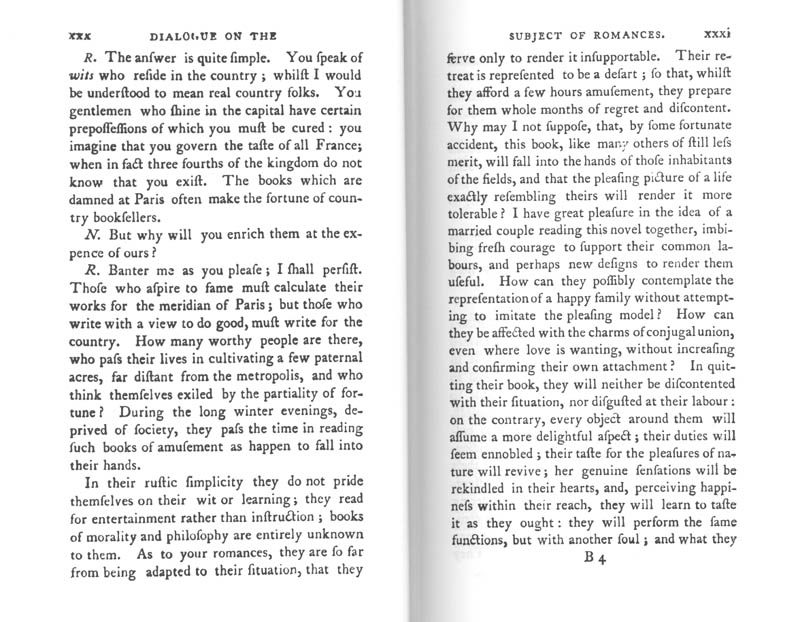
Rousseau, from Preface to Eloise: 1, 2; debate
Radcliffe on the supernatural
19th C justice
David S. Miall. “Designed Horror: James's Vision of Evil in The Turn of the Screw.” Nineteenth-Century Fiction 39 (1984): 305-327.
Other essential information
Note that all course work must be completed prior to sitting the Final exam, unless urgent medical or personal reasons are provided prior to the date on which the exam is held.
Late submission of essays will not be accepted without compelling medical or personal reason. Essays must be handed to the instructor at the beginning of the class session at which they are due. They must not a) be given to another student to submit, b) put under the instructor's office door, or c) faxed or otherwise attempted to be submitted through the English Department office. An essay submitted in this or any other unauthorized way will be considered as having not been submitted and will receive no grade.
Class attendance and participation are expected and encouraged. Classes will begin promptly at the scheduled time. If you have to miss a class, please contact a class mate (not the instructor) before the next class to find out what you missed. If the instructor is not present within ten minutes of the beginning of class you are expected to carry out the scheduled work to the best of your ability within the allotted class time.
Note that essay writing must be your own work. A student in whose work plagiarism is detected will face serious penalties, as outlined in the code of student conduct (see further below).
You will not be able to make up a missed exam unless you provide a medical certificate or some other compelling personal reason for absence.
Final Examination Appeals. Any request for reappraisal of the Final Examination must be made in writing to the Office of the Registrar, not to the Department of English and Film Studies.
"Policy about course outlines can be found in Section 23.4(2) of the University Calendar." (GFC 29 SEP 2003)
"The University of Alberta is committed to the highest standards of academic integrity and honesty. Students are expected to be familiar with these standards regarding academic honesty and to uphold the policies of the University in this respect. Students are particularly urged to familiarize themselves with the provisions of the Code of Student Behaviour (online at http://www.uofaweb.ualberta.ca/governance/studentappeals.cfm) and avoid any behaviour which could potentially result in suspicions of cheating, plagiarism, misrepresentation of facts and/or participation in an offence. Academic dishonesty is a serious offence and can result in suspension or expulsion from the University." (GFC 29 SEP 2003)
Should you have any grievances concerning term work grades, you must discuss your concerns with the instructor. No official, in either the Department of English and Film Studies or the Faculty of Arts, will talk to a student about a grading disagreement unless the student first talks to the instructor. If the problem is not resolved after a meeting with the instructor, students are encouraged to talk with the Department Chair. Please note, however, that the Department of English and Film Studies does not allow reconsideration of term work after a student writes the Final Examination.
Document created August 29th 2010 / Updated November 23rd 2010