International Mother Language Day 2015

It is a great pleasure to announce that, BSAUA is going to organize “International Mother Language Day 2015” to raise awareness and to promote linguistic and cultural diversity and multilingualism. This year's program will be three-day long events and we would like to request your presence and participation throughout.


DAY One: Blood Donation Program

Date:
21st February, 2015, Saturday

Time:
Program will start at 11.00 am and end at 1.00 pm

Venue:
Canadian Blood Services, University of Alberta, 8249 – 114 Street, T6G 2R8


Please before 18th February.


DAY Two: Cultural Program

Date:
22nd February, 2015, Sunday

Time:
Program will start at 2.30 pm and end at 5.00 pm.

Venue:
Vanier House Community Room, Michener Park, 48 Ave –122 Street, T6H 4N1


Please before 18th February to ensure the proper management of the program.


Day Three: Awareness Program

Date:
24th February, 2015, Tuesday

Time:
Program will start at 12.00 pm and end at 2.00 pm

Venue:
Central Academic Building (CAB), University of Alberta.


We will highly appreciate any kind of voluntary participation from you.

A brief history about International Mother Language Day


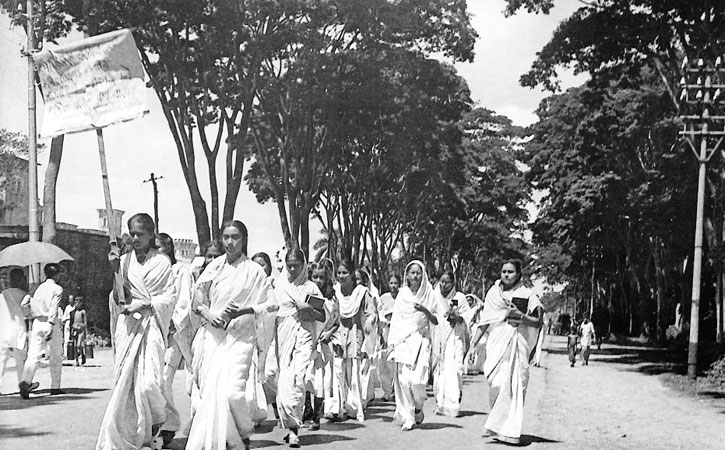
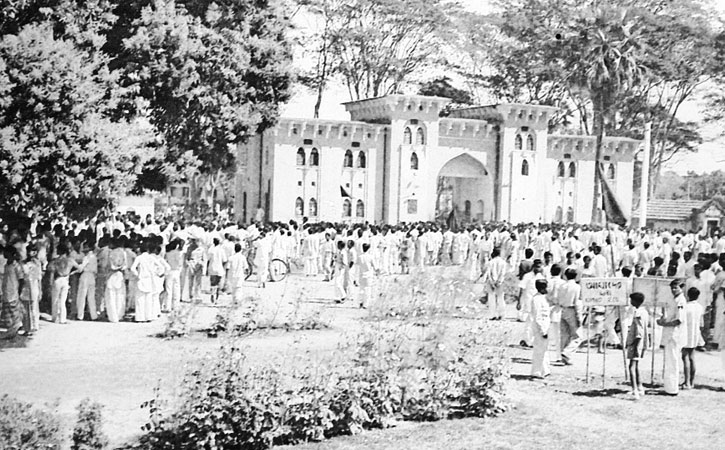
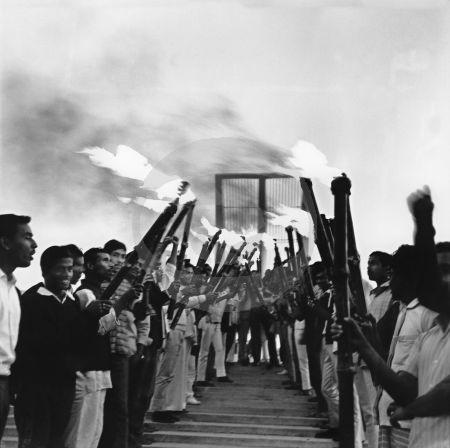
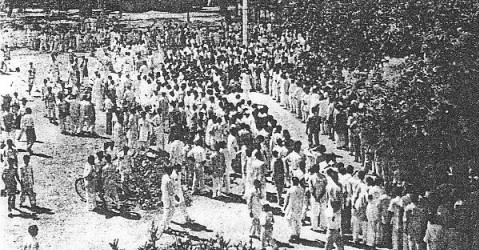
The Language Movement was the pioneer of many Bengali nationalist movements, including the 6-point movement and ultimately the Bangladesh Liberation War in 1971. In Bangladesh, 21 February is observed as Language Movement Day, a national holiday. The ‘Shaheed Minar’ monument was constructed near Dhaka Medical College in memory of the movement and its victims. The Bengali Language Movement was a political endeavour to advocate Bengali as an official language of Pakistan. This recognition would have enabled the usage of Bengali in government affairs.


The state of Pakistan was formed in 1947, its two regions, East Pakistan and West Pakistan, were divided along cultural, geographical, and linguistic lines. In 1948 the government’s declaration of Urdu being the sole national language sparked raged protests from Bengali-speaking majority of East Pakistan. To prevent the mass from raising their voice against this injustice the Central government banned public meetings and rallies.


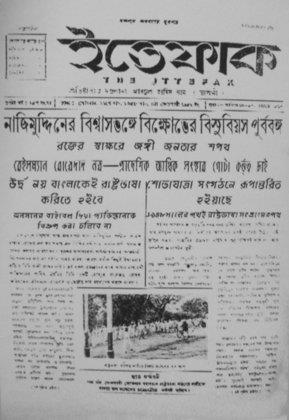
With Urdu becoming the state language, the Urdu-Bengali controversy was ignited when Jinnah’s successor, governor-general Khawaja Nazimuddin, loyally defended the “Urdu-only” policy in a speech on 27 January 1952. On 31 January, the ‘All-Party Central Language Action Committee’. The central government’s proposal of writing the Bengali language in Arabic script was heatedly opposed by the committee. The action committee called for an all out protest on 21 February, including strikes and rallies.


The students of the University of Dhaka and other political activists defied the law and organised a protest on 21 February 1952. The lives lost by many student demonstrators motivated a widespread movement led by the Awami Muslim League. The police arrested several students who were trying to move away from the crowd. This arrest enraged the students and they gathered around the East Bengal Legislative Assembly. Suddenly a group of students started trying to storm the building. The police opened fire instantly, killing Abdus Salam, Rafiq Uddin Ahmed, Abul Barkat, and Abbul Jabbar.


In 1956, the Pakistani central government granted official status to the Bengali language. The sacrifices of the boys were remembered and honoured by their people. In 1999, a group called UNESCO declared 21 February International Mother Language Day because of the Language Movement.

A documentary made by Zahidul Islam (Zahid)